
Namaste
Holy Mission for Children's Welfare and Rural DevelopmentNational Safai Karmacharis Finance and Development Corporation Of India (Namaste Scheme)
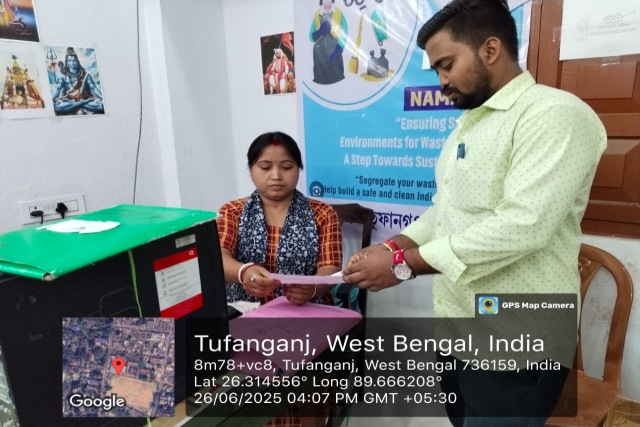
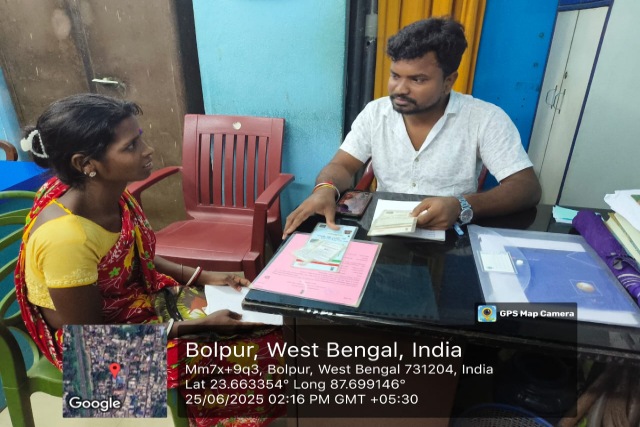
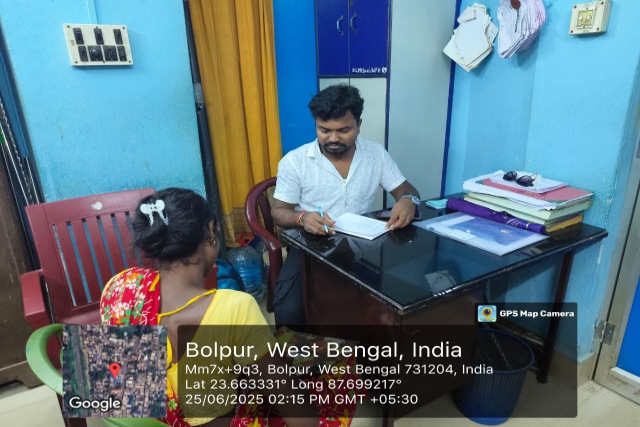
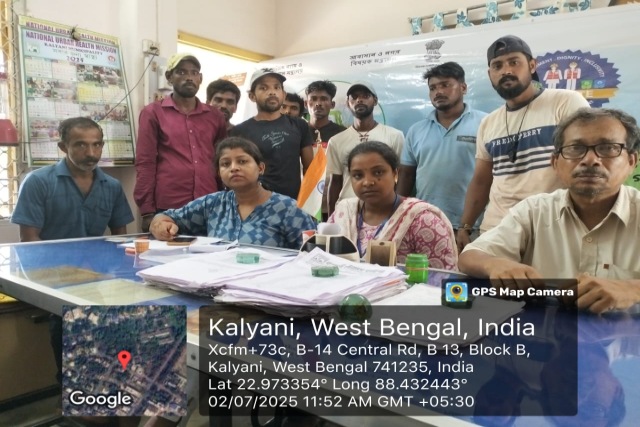
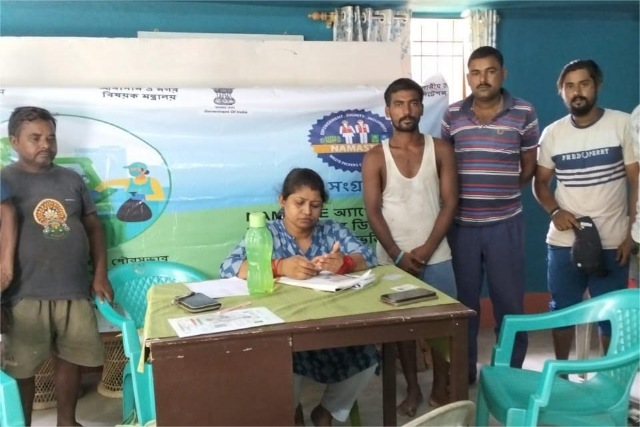
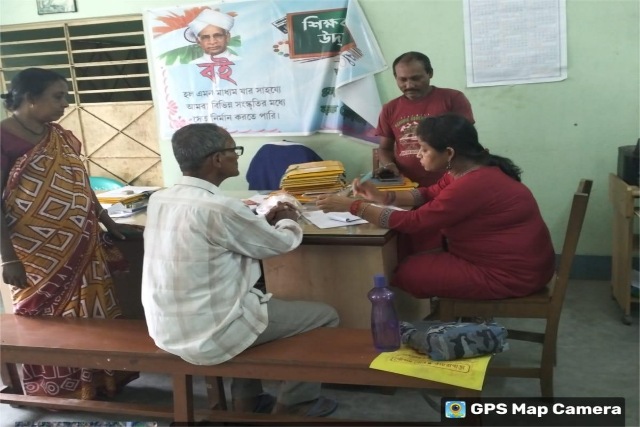
- Introduction
National Action for Mechanized Sanitation Ecosystem (NAMASTE) is a Central Sector scheme of National Safai Karamcharis Finance & Development Corporation (NSKFDC) that is being implementing jointly implemented by the Ministry of Social Justice & Empowerment (MoSJE), Ministry of Housing and Urban Affairs (MoHUA), Ministry of Panchayati Raj (MoPR) and Department of Drinking Water and Sanitation (DoDWS).
- Goal of the Scheme
The goals of the NAMASTE Scheme are follows:
2.1 To ensure the safety and dignity of sanitation workers in urban India by creating an enabling ecosystem that recognizes sanitation workers as one of the key contributors to the operations and maintenance of sanitation infrastructure.
2.2 To provide access to entitlements, and alternative livelihoods support through providing capital subsidy for procurement of sanitation related project under Swachchhta Udyami Yojana (SUY) scheme to reduce the vulnerabilities of sanitation workers and break the intergenerality in sanitation work.
2.3 To bring about a behavior change amongst stakeholders towards sanitation workers and enhance demand for safe sanitation services.
2.4 To promote mechanized cleaning of sewer lines and septic tanks to curb hazardous cleaning and ensure zero sanitation deaths.
- Target Group
The scheme focuses on Septic Tank and Sewer Cleaning Workers (SSW), Waste Pickers etc working in both urban and rural areas providing services for cleaning of sewer and septic tanks through Emergency Response Sanitation Units (ERSUs). ERSU have to be constituted in major ULB of district for service in Urban and Rural areas.
- Components of NAMASTE Scheme
4.1 Profiling of Sewer Entry Professionals/Septic Tank Workers (SSWs)
The scheme aims to digitally enumerate all SSWs employed by ULBs, parastatal agenciesandempanelled Private Sanitation Service Organizations(PSSOs).The creation of first of its kind database of SSW profiles is critical for developing a strong base for the implementation of other components NAMASTE scheme. The database will enable MoSJE, NSKFDC and MoHUA (including DAY-NULM and SBM 2.0) to reach the SSWs and their dependents and provide them with the necessary support for collectivization, skill building and linking with social and financial benefits. The ULBneeds to prepare a list of SSWs on the payroll, employed by empanelled Private Sanitation Service Organizations. The list must be shared/uploaded on NAMASTE Website.The SSWs will then be digitally enumerated through a mobile app. The profile of SSW, including the details of their dependents and access to
various entitlements, would be uploadedon the NAMASTE portal during a camp organized at ULB level.
4.2 Health Insurance coverage of SSWs under PM-JAY
To provide safety nets to SSWsand their families in case they fall sick or meet with an accident; each SSW will be covered under the Ayushman Bharat- Pradhan Mantri Jan ArogyaYojana (AB-PMJAY), and premium for those SSWs who are not covered earlier shall be borne by MoSJE under NAMASTE after verification to avoid duplication.
4.3 Training of SSWs, Sewer Entry Professionals and Duty Supervisors
NAMASTE scheme will adopt a competency-based approach matching global standardsfor occupational health and safety training of SSWs, creating an ecosystem for delivering simulation-based training, practical assessments and certification. This also includes training of SSWs including Sewer Entry Professionals(SEPs) and training of otherSanitation Response Unit (SRU)members including Responsible Sanitation Authority and Duty Supervisors.
4.4 Capital Subsidy on Loans to SSWs for procurement of Sanitation Related Vehicles/ Equipments through SwachchhtaUdyamiYojana
4.5 Provision of Personal Protective Equipment (PPE) for SSWs
NAMASTE aims at ensuring occupational safety of SSWs by providing them withPPEkit comprising of gloves, body suits, safety shoes, mask, safety goggles etc.
- Organizing City-Level NAMASTE Camp
The ULB/Parastatal organizationshall organize a profiling camp for the enumeration of sewers and septic tank workers who are on the payrolls of ULBs, parastatals and the empanelled private sanitation service organization (PSSO). The ULB shall be responsible to provide basic sanitation profile of the city, including list of PSSOs and the list of SSWs employed by ULB(on the payroll, outsourced to empanelled PSSO.
5.1 Objective of the camp
To create a detailed profile of septic tank and sewer cleaning workers (SSW) with the help of a digital questionnaire through a mobile app
To facilitate the linkage of SSW with AB-PMJAY
Awareness generation about NAMASTE Scheme components among primary stakeholders such as ULB and SSW
5.2 Outcomes of the camp
Validated data base with detailed profiles of SSW updated on dedicated NAMASTEportal
Awareness generation about NAMASTE Scheme components among primary stakeholders such as ULBs, PSSOs and SSWs
- Role of ULB
The ULBs will be responsible fordata collection for the socio-economic profiling of SSWs and their families through a Mobile App or through a Laptop. The ULB may choose to organize the NAMASTE Camp at more than one place in the city and on multiple days to ensure that all SSWs are able to attend the camp at their convenience and without loss of pay; for instance, at the ward offices, ULB office premise or any other public space. The ULB will instruct PSSOs operating within their jurisdiction to inform the SSWs about the date, time and venue of the camp and ensure their participation during the Camp.
The role of the ULB in profiling of SSW is as follows:
The ULB shall submit city profile, list of PSSOs operating in the city andbasic details of SSWs employed by the ULB, parastatal agencies and PSSOs through NAMASTE Portal
Nomination of designated officials for data collection and camp management
Training of officialson the Survey app and for executing the digital survey. Mandatory attendance of ULB officials in the training of the survey app: NSKFDC will provide the login credentials to ULB officials and will also train the enumerators and ULB officials through webex(one day webinar).Further information about SoP of filling of forms will be explained simultaneously.
Mobilization of SSW through IEC and PSSOs etc.
Organize camp after finalizing date, venueand time of camp. Mandatory attendance of resource persons at profiling camp for conducting the profiling through mobile app/Laptop.
Provision of seating arrangement and mobile with internet connection etc.
Issue notification for complete attendance of SSWs in the camp
Submission ofNAMASTE camp report with details of venue, date and photos of camp etc.
- Role of NSKFDC:
Creation of Login IDs of ULB SPOC (Single Point of Contact)
Training and Orientation of ULB SPOC on survey app and questionnaire
Quality check of data entered through the mobile app
Flag errors in data entry during data collection in camp mode
Coordinate with ULB SPOC for the resolution of errors
NSKFDC would circulate a training calendar and also create User ID and Password of ULB officials for profiling of workers on their mobile phones to carry out the survey
8.Steps of Organization of Camp
8.1 Pre-Camp Activities by ULB
Sharing city profile:The ULB has to submita city profile, a list of PSSOs operating in the city, basic details of SSWs including SEPs employed by the ULB, parastatal agencies and PSSOs indigital form to NSKFDC as a preparatory activity.
Finalization of campdate(s):The dates of organizing the camp would be decided by ULB and intimated to the Ministry of Social Justice and Empowerment and the Ministry of Housing and Urban Affairs. After the date is finalized the ULB would issue a notification to ensure mandatory attendance of SSW on the payroll of ULB and engaged by PSSO as well as representatives of PSSO.
The SSW must be informed about the required documents to be brought on the day of the camp.
Aadhar card/ Ration Card
Proof of Bank Account (passbook of bank account and cancelled Cheque)
8.2 Camp Management (On the day of the Camp)
8.2.1 Infrastructure for camp: ULBs must make adequate infrastructure available on the day of camps. These include but are not limited to:
Speedy internet connection and Charging points for mobile/tablet
A counter with resource person having android mobile/ tablet and the NAMASTE App installed on it. The ratio of deployment of Resource Person (RP)should be 1 resource person for ten SSWs(1RP:10 SSW)
Organizing of camp as per SoPs.
Standee/Banner about NAMASTE scheme.
8.2.2 Counters at the Camp
Registration Counter:The registration of SSW should be facilitated through a dedicated counter created for registration. The ULB should depute one staff at the registration desk for taking attendance of SSW
Survey Counter:The ratio of Resource Persons to SSW is 1 RP for profiling of ten SSW. The survey counter should have a dedicated staff to take photos of SSW and other required documents.
Responsibility of NSKFDC on Camp day
Help desk: A centralized help desk would be created at the NSKFDC office for online and telephonic assistance with respect to any queries related to the survey app at the time of the survey. The phone numbers would be circulated to ULB so that they can reach out for assistance.
Error Flagging: The help desk managed by NSKFDC would also ensure quality check of data collected and flag errors in data entry to the concerned SPOC of ULB so that the timely resolution can be done during data collection.
8.2.3 Reporting of the camp activities:
The nodal officer should upload a report of camp on NAMASTE Portal. The report would comprise of venue, date and time of camp, counters set up at the camp, number of applications at social entitlement counter, 2-minutevideo of survey counter, and photos of the camp.