
Our Activities
Holy Mission for Children's Welfare and Rural Development


Holy Mission India NGO Marks World AIDS Day
As part of the program, an awareness meeting was organized to educate people about the causes, modes of transmission, prevention, and treatment of HIV/AIDS. The NGO also conducted an awareness rally with messages such as “Stop AIDS, Spread Awareness” and “End Stigma, Not Lives.”
Posters and leaflets containing important information about HIV/AIDS were distributed among the public. Free health counseling and guidance were provided to encourage safe practices and early testing.
Local youth, volunteers, and community members actively participated in the program, making the event successful. Through this initiative, Holy Mission India NGO reaffirmed its commitment to creating awareness, reducing discrimination, and supporting people affected by HIV/AIDS.
Women Empowerment and Skill Development
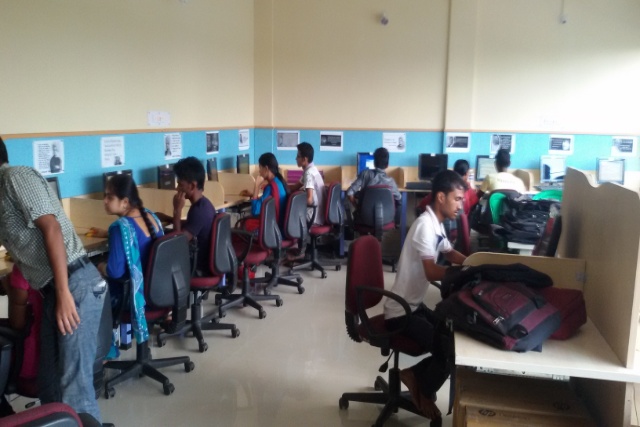
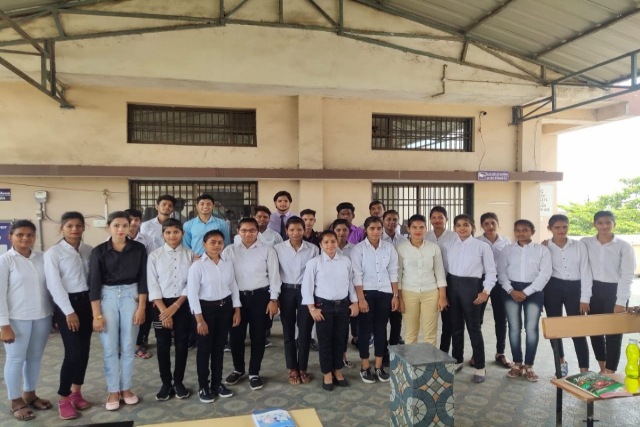

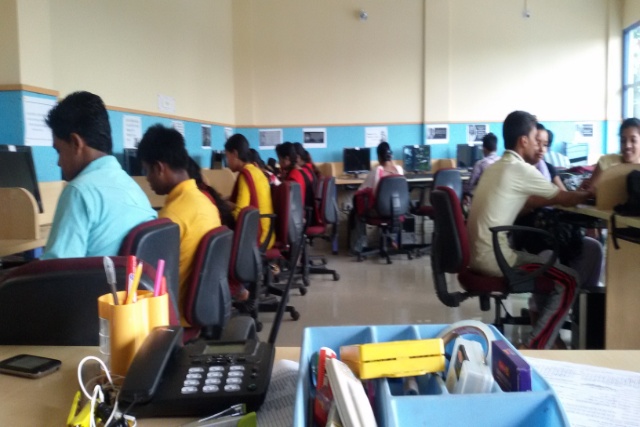
All these SHG groups / JLG groups are being oriented on the functioning of financial inclusion:
- To create awareness about innovative banking channels among the unbanked population
- To create awareness on structured and group approach
- To write down the book of accounts, meeting resolutions, maintaining of loan records etc
- To access financial services/ opportunities;
- To access the Group Savings
- Linkage with the Government facilities
- facilities available for individuals as well groups
- Services available at a reasonable cost to low income groups
Agricultural Development
Agriculture sustains rural economies, yet many farmers lack modern techniques and resources. We are actively working to improve agricultural productivity and sustainability by providing training on organic farming, water conservation, and access to quality seeds and tools. Through farmer groups and workshops, over 1,200 farmers have adopted eco-friendly practices, resulting in 30–40% higher yields and improved soil health. Our efforts have reduced dependence on middlemen and improved household incomes significantly, leading to better standards of living and food security for farming families.
Gender Equality


Health Support
Environment

Child Rights
Environmental Resilience livelihood in Sundarbans
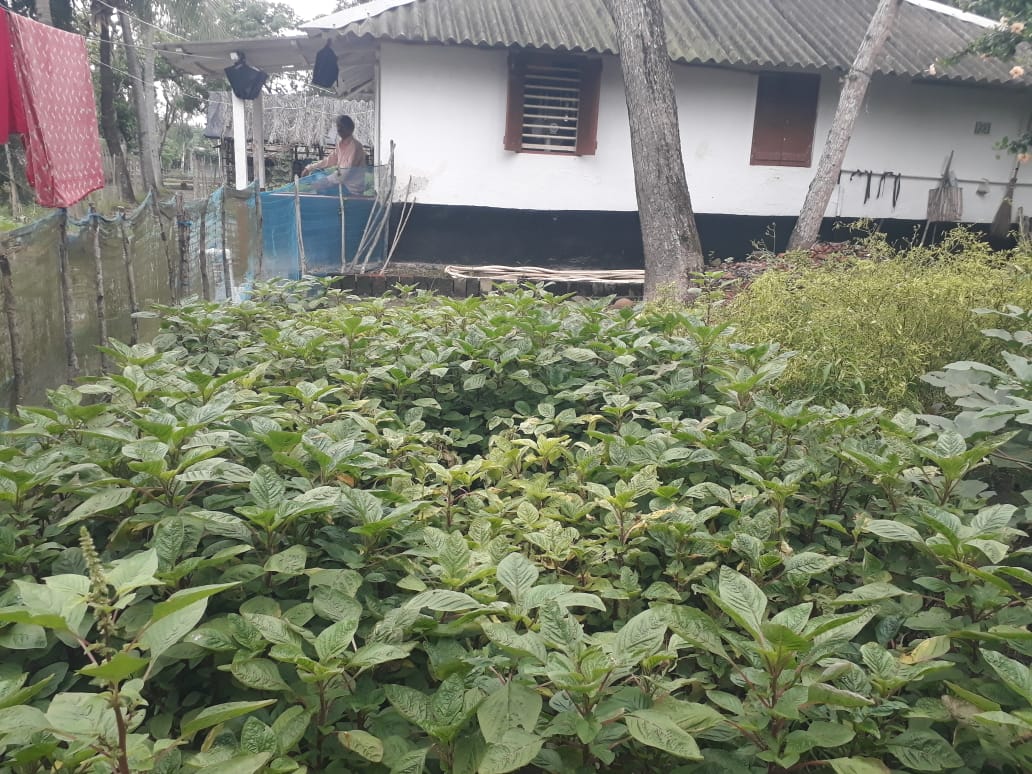
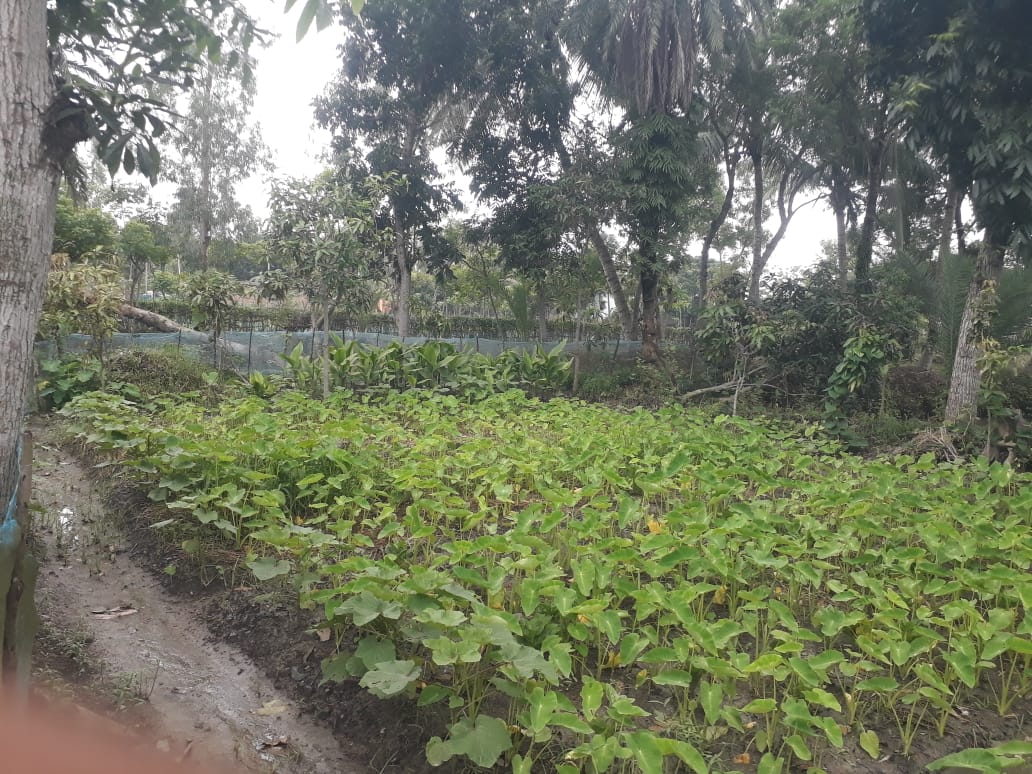
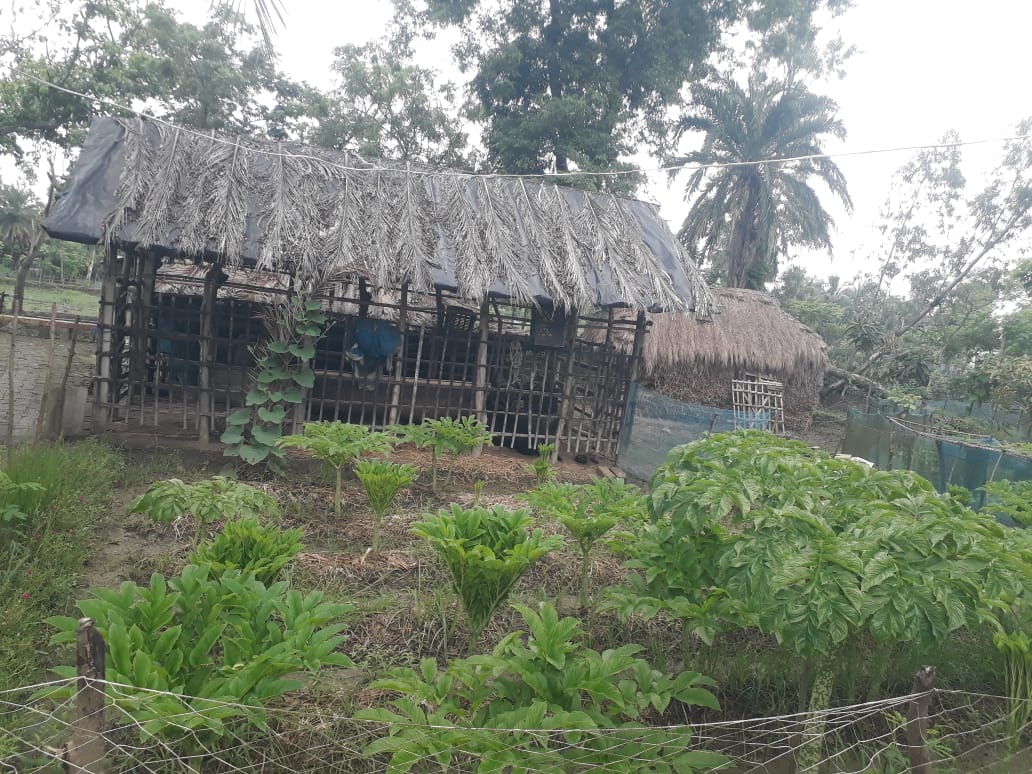
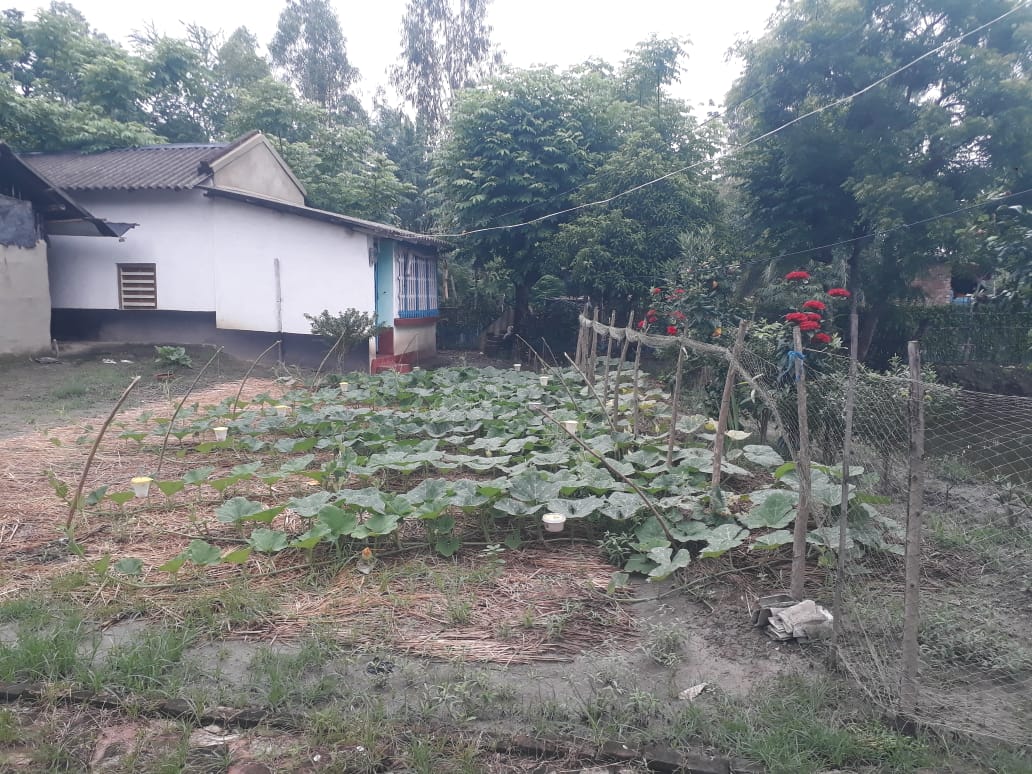
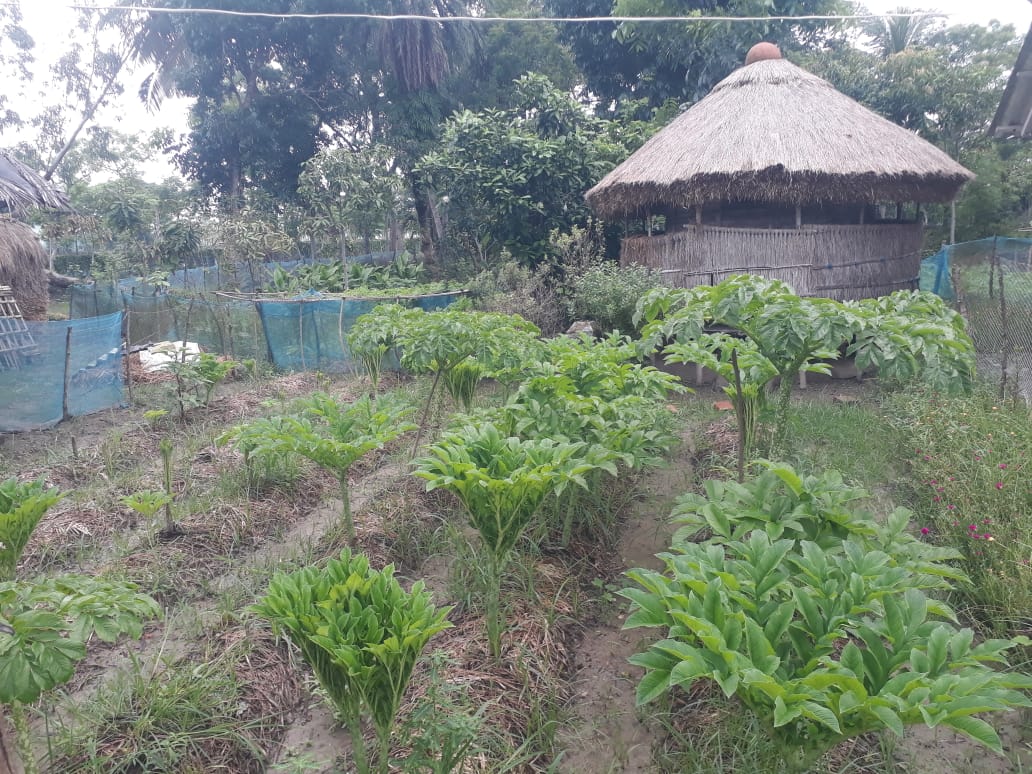
In rural India, kitchen gardens, act as vital safety nets, for rural small holders / families. They ensure that no household goes without access to fresh, healthy food, especially in times when incomes are uncertain or markets are out of reach.
Though the Sustainable Livelihood Programme (SLP), communities are growing seasonable vegetables —- often using local and indigenise verities— right in their backyards or on small plots. This not only supports nutrition and daily meals, but also adds to household income.


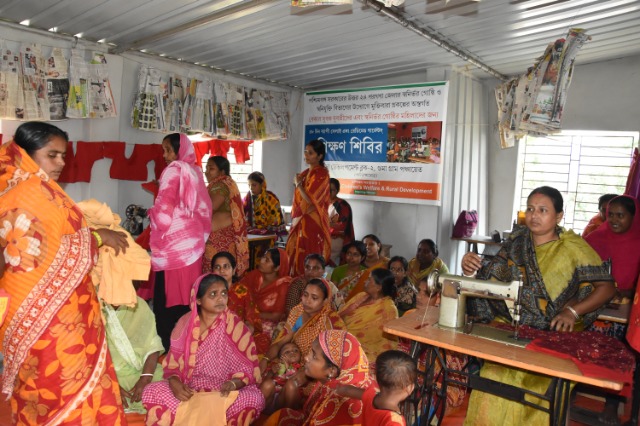
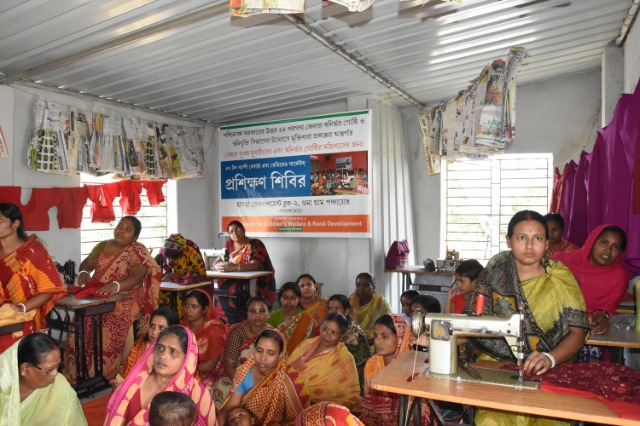

What makes this truly sustainable is its simplicity. These gardens bring back traditional, climate resilience food systems that are good for the environment, reducing food miles, preserving seed diversity, and restoring a deep connection to the land. We facilitated 300 small farmers including fishing women to grow organic vegetables; Seed preservation to add their Family Income in the costal block [ Lebukhali GP] , North 24 Parganas.
Kitchen gardens are cost-effective, practical and easily meet the balanced dietary requirements of rural households as well as add substantially to the family income.